


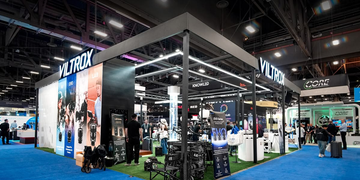
















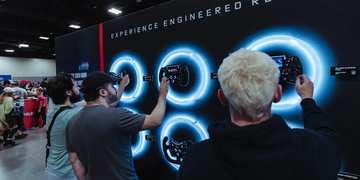






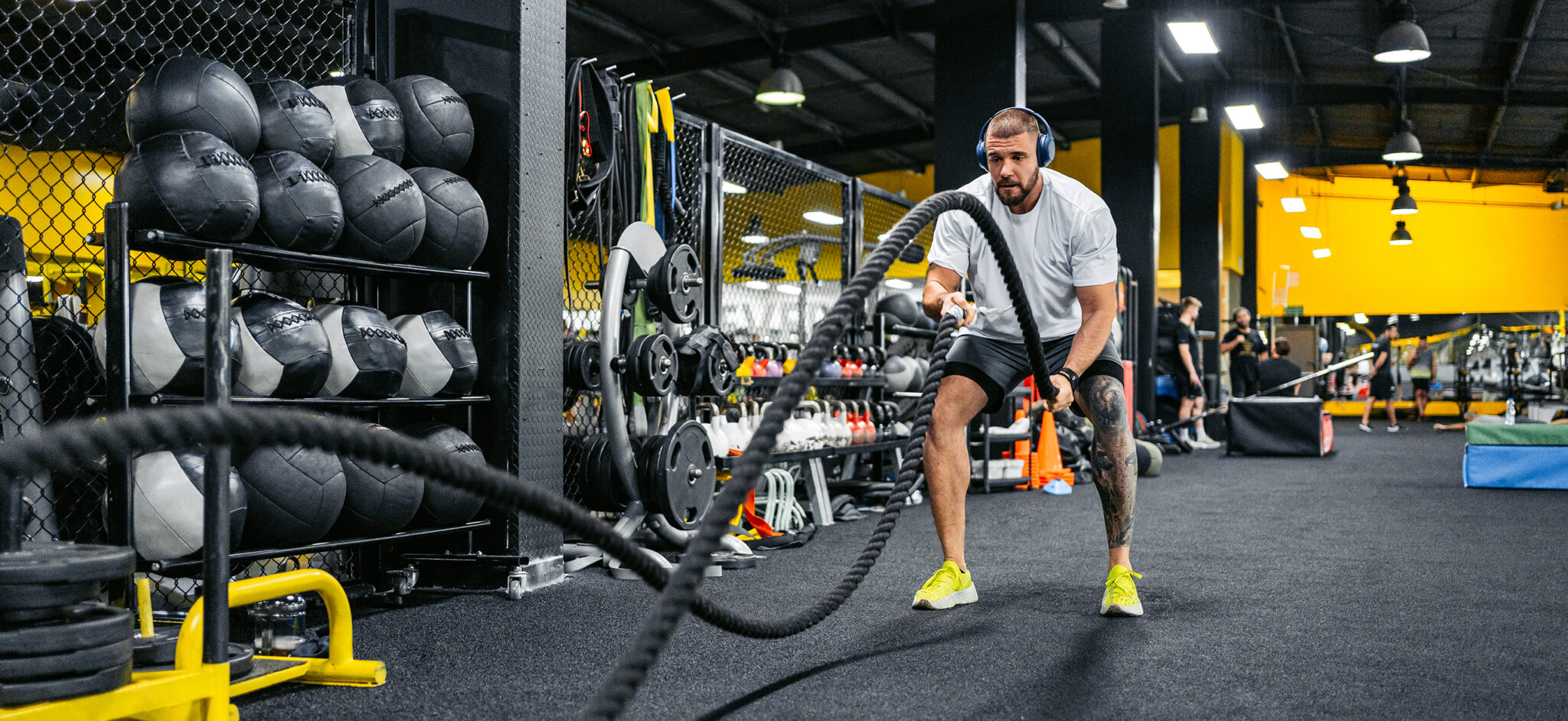
Staged at the Exhibition Centre Cologne (Koelnmesse) in Germany, FIBO Global Fitness remains the central hub for the commercial fitness, rehabilitation, sports medicine, and wellness sectors. In April 2026, the exhibition highlighted a major industry transition: training equipment is moving away from isolated mechanical weight stacks toward an integrated ecosystem driven by software-controlled electromagnetic resistance, continuous metabolic tracking, and active biological recovery tools.
Electromagnetic & Motorized Dynamic Resistance
Traditional selectorized pin-loaded machines and free-weight barbells are sharing floor space with solid-state, motor-driven strength platforms capable of modifying resistance curves mid-repetition.
[Real-Time Velocity & Range Sensors (1000Hz)]
                      │
                      ▼
[Microcontroller: Force-Velocity Curve Calculation]
                      │
                      ▼
[Electromagnetic / Brushless Servo Motor Drive]
                      │
                      ▼
[Adaptive Tension: Accentuated Eccentric & Isokinetic Loading]
- Accentuated Eccentric Loading (AEL): Direct-drive cable systems automatically overload the eccentric (lowering) phase by an extra 20% to 40% beyond concentric capacity, maximizing mechanical tension without requiring human spotters.
- Isokinetic & Accommodating Resistance: Machines instantly adapt tension to match an athlete's exact torque output throughout their active joint range of motion, eliminating dead spots and minimizing joint shear forces during rehabilitation.
- Solid-State Digital Weight Stacks: Electromagnetic resistance generators remove the physical mass of weight plates, enabling high-load strength stations in ultra-compact footprints with instant digital load adjustments.
Continuous Biometrics & Dynamic Fatigue Management
Wearable integration has transitioned from basic heart-rate zones and step counts to real-time metabolic and neuromuscular tracking.
| Technology / Sensor | Mechanism | Operational Application |
| Continuous Lactate & Glucose Monitors (CGM/CLM) | Micro-filament dermal biosensors analyzing interstitial fluid metabolites in real time. | Precise identification of aerobic/anaerobic thresholds, pacing optimization, and intra-workout carbohydrate delivery. |
| Velocity-Based Training (VBT) Optical Units | High-speed infrared cameras and IMUs tracking barbell/cable displacement speed. | Instant autoregulation; automatically drops target weight or ends a set when bar speed drops by a predefined percentage (e.g., 20% velocity loss threshold). |
| Neuromuscular Readiness Bands | Continuous photoplethysmography (PPG) measuring Heart Rate Variability (HRV) and peripheral microcirculation recovery. | Algorithms feed readiness scores into gym equipment consoles, dynamically tailoring daily workout volume and intensity. |
The Longevity & Recovery Ecosystem
The physical boundary separating performance strength facilities from medical wellness centers has blurred. Longevity-focused modalities now integrate directly into training floors:
- Whole-Body Photobiomodulation (PBM): Red and near-infrared light therapy beds utilizing targeted 660nm and 850nm wavelengths stimulate mitochondrial adenosine triphosphate (ATP) production, mitigating delayed onset muscle soreness (DOMS).
- Automated Contrast Therapy & Cryotherapy: Nitrogen-free, electric walk-in cryochambers operating at $-110^\circ\text{C}$ paired with rapid-cycling thermal contrast tubs to enhance lymphatic drainage and modulate acute systemic inflammation.
- Dynamic Pneumatic Compression with Real-Time Lymphatic Mapping: Compression sleeves equipped with pressure sensors deliver sequential peristaltic pulse gradients based on real-time limb fluid density measurements.
Commercial Gym Architecture & Data Interoperability
Equipment manufacturers are adopting unified software-defined protocols (such as Bluetooth CSCS, FTMS, and cloud APIs). A single gym member profile synchronizes across smart cable systems, recovery pods, and personal wearables, creating an unbroken loop between daily training load, metabolic expenditure, and recovery interventions.