












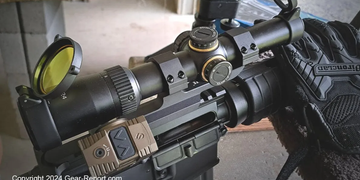
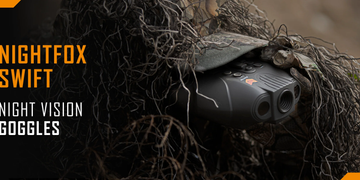
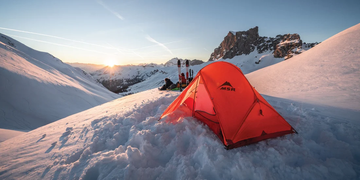
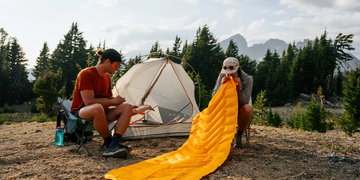









Stealth is the decisive factor in close-range and night hunting. Setting up a dedicated ground blind prevents game from picking up visual outlines, human scent, and subtle firearm movements. Good Nite Gear provides purpose-built concealment shelters, ultra-matte camouflage nets, and silent stabilization mounts designed to build an undetectable ambush point in any terrain.
1. Deploying Pop-Up Blinds, Ghillie Netting, and Shooting Rests
A successful ambush relies on blending artificial shelters seamlessly into natural foliage using proper concealment layers:
- Pop-Up Ground Blinds: Good Nite Gear hub-style ground blinds feature heavy-duty, weather-resistant outer fabrics with blackened interior linings (carbon-scent/shadow shields). The dark interior eliminates interior silhouette shadows when you raise your firearm or scan through observation ports.
- Layering with 3D Camo Netting: Never leave a ground blind standing with bare, flat geometric walls. Drape multi-tone, non-glare camouflage mesh over the exterior roof and walls. Thread native brush, branches, and dead grass through the netting straps to break up harsh straight lines.
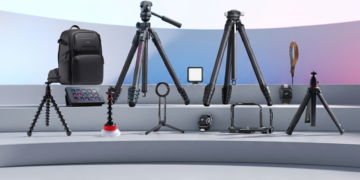
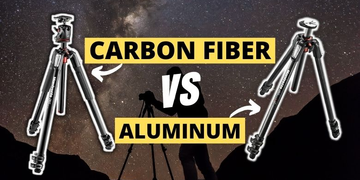
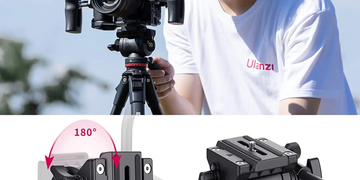
- Specialized Shooting Rests & Tripods: Inside the blind, use dedicated silent-traverse tripods or window-clamp rests. Good Nite Gear gun saddles secure the rifle at natural shoulder height, eliminating arm fatigue during multi-hour waits and ensuring a stable shooting platform.
2. Wind Direction, Shooting Lanes, and Sound Discipline
Setting up in the right spot at dusk or dawn requires strict environmental and acoustic discipline:
- Wind Management (Upwind Positioning): Always establish your blind downwind or crosswind from active game trails, bedding areas, or baiting stations. Even the best scent-containment fabrics fail if high winds push human scent directly down an active corridor.
- Designing Clear Shooting Lanes: Clear quiet shooting channels before light fades. Trim thin branches at shooting height, but leave natural ground cover intact between your blind and the target zone to mask any sudden muzzle flash.
- Dusk/Dawn Sound Discipline:
- Clear the ground inside the blind down to bare dirt by removing dry leaves, twigs, and gravel that crunch underfoot.
- Lubricate all mechanical joints, zippers, and tripod swivel heads with unscented dry silicone lubricant prior to entering the field.
- Adjust window mesh screens before prime hunting hours begin to avoid the sound of hook-and-loop fasteners or zippers when game approaches.
3. Optimizing Equipment in Confined Blind Spaces
Space inside a ground blind is limited. Keeping gear organized, quiet, and within arm's reach prevents accidental bumps and dropped equipment:
- Quick-Attach Utility Straps & Clamps: Mount quick-release gear straps and magnetic equipment clips directly to the internal blind frame poles. This keeps rangefinders, thermal spotters, and call remotes elevated off the ground and instantly accessible.
- Silent Hook-and-Loop Weapon Cradles: Secure secondary gear, such as backup optics or shooting sticks, into rubber-coated friction holders rather than metallic clips that click upon release.
- Floor Mat Isolation: Place a dense EVA foam or neoprene mat under your seat and tripod feet. This dampens foot shifting noise, insulates against ground cold, and prevents metallic tripod legs from clanking against rocks.
Mastering ground concealment with Good Nite Gear shelters and organized interior mounts ensures you stay completely hidden, comfortable, and ready when the target steps into your shooting lane.