














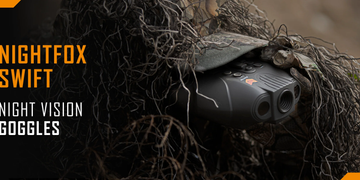


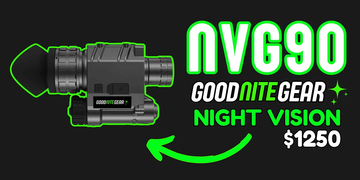









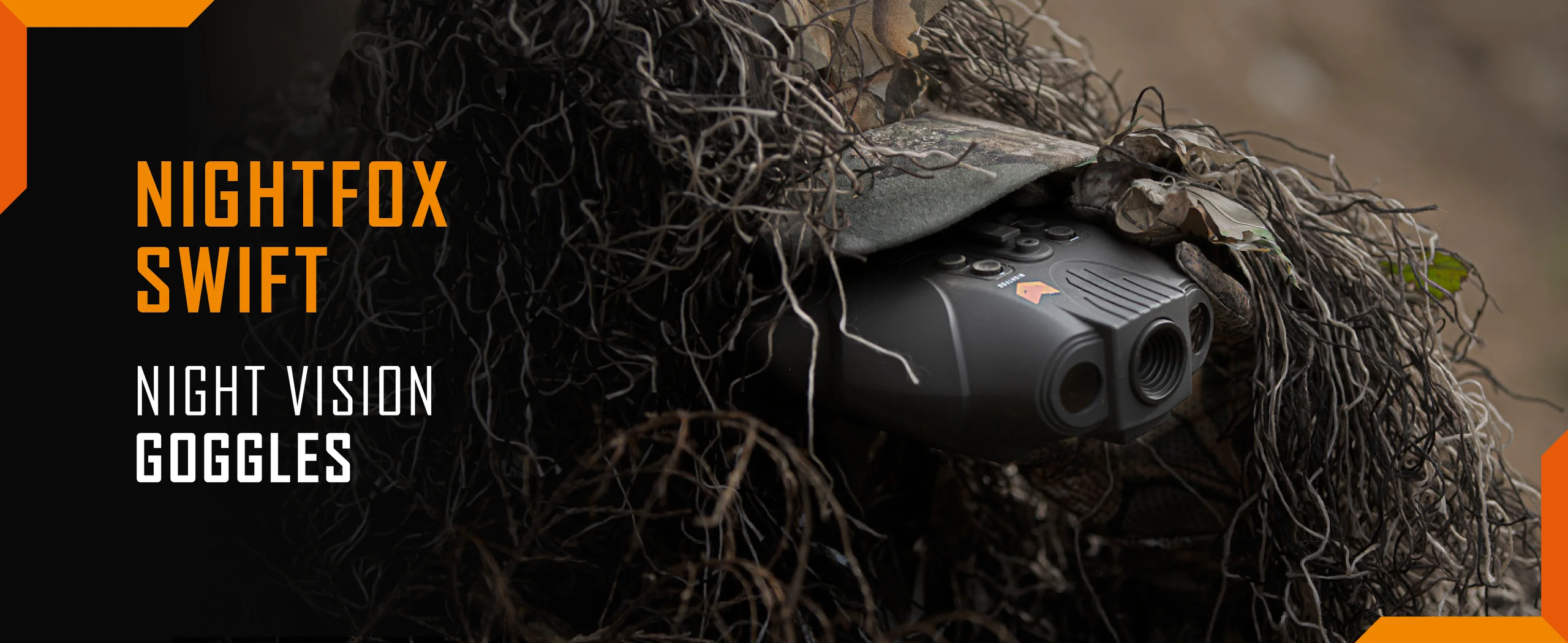
Navigating dense woods and tracking nocturnal game requires clear situational awareness without giving away your position. Traditional analog night vision has long carried steep price tags, but digital advances have made low-light optics far more accessible. Nightfox Vision specializes in digital night vision devices (Digital NVG) that deliver high-definition tracking, recording capabilities, and reliable detection for hunters operating after dark.
1. Digital Night Vision vs. Traditional Image Intensifier Tubes
Understanding the core technology helps clarify why digital NVG fits modern outdoor tracking:
- Day-to-Night Versatility: Traditional analog tubes (Gen 1–Gen 3) degrade or burn out if exposed to sudden bright lights or daytime sun. Nightfox digital sensors rely on CMOS imaging chips that are entirely immune to light damage.
- Onboard Recording & Playback: Digital units record footage directly onto MicroSD cards in 1080p Full HD, allowing you to review shot placement and animal movement patterns instantly in the field.
- Cost-to-Performance Ratio: Digital NVG delivers crisp close-to-mid-range visibility at a fraction of the cost of traditional green/white phosphor intensifier tubes.
- Display Flexibility: Digital viewfinders allow switching between classic green phosphor palettes, black-and-white high-contrast modes, and full-color daytime modes.
2. Nightfox Form Factors: Binoculars/Goggles vs. Handheld Monoculars
Choosing the right format depends on whether your mission requires hands-free movement or compact spotting.
| Feature | Helmet/Head-Mounted Goggles (e.g., Nightfox Swift / Corsac) | Handheld Monoculars & Scopes (e.g., Nightfox Red / Vulpes) |
| Primary Use | Dynamic navigation, hiking, close-range bushcraft | Spotting across clearings, identifying targets at distance |
| Field of View (FOV) | Wide FOV with 1x optical magnification for depth perception | Narrower FOV with higher optical & digital zoom (3x–10x) |
| Handling | Hands-free with head strap or dovetail helmet mount | Lightweight, one-handed grip; fits inside jacket pockets |
| Battery Life | 3–4 hours continuous IR (USB-rechargeable internal pack) | 4–6 hours (swappable AA or 18650 Li-ion cells) |
| Best For | Active stalk hunting & setting up tree stands in the dark | Stationary blind hunting & boundary scanning |
3. Tactical Infrared (IR) Illuminator Best Practices
Digital night vision relies on infrared light to illuminate pitch-black environments. Using your IR module correctly prevents spooking game:
- Wavelength Selection (850nm vs. 940nm):
- 850nm IR: Provides longer beam throw and brighter images, but the emitter emits a faint red glow that wary game (like hogs or coyotes) may notice at close range.
- 940nm IR (Covert): Emits completely invisible light with zero emitter glow, ideal for close-range tracking, though it slightly reduces maximum viewing distance.
- Step-Up IR Power Levels: Keep the IR illuminator at its lowest setting while navigating to conserve battery and eliminate whitewash from nearby leaves. Increase power incrementally only when scanning distant treelines.
- Focusing the IR Beam: Narrow the beam focus into a tight spotlight when scanning open fields past 100 yards; widen the flood beam inside dense brush to eliminate tunnel vision.
- Mind the Splashback: Avoid activating high-power IR beams directly behind thick branches or tall grass, as the reflective glare will blind the digital sensor and compromise your night vision.
Combining head-mounted digital goggles for route navigation with a dedicated handheld or weapon-mounted optic creates a balanced, cost-effective night hunting setup built for reliable field detection.