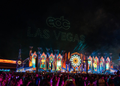



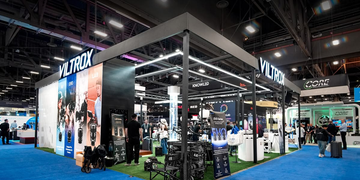





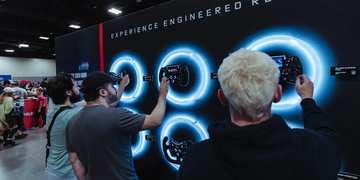




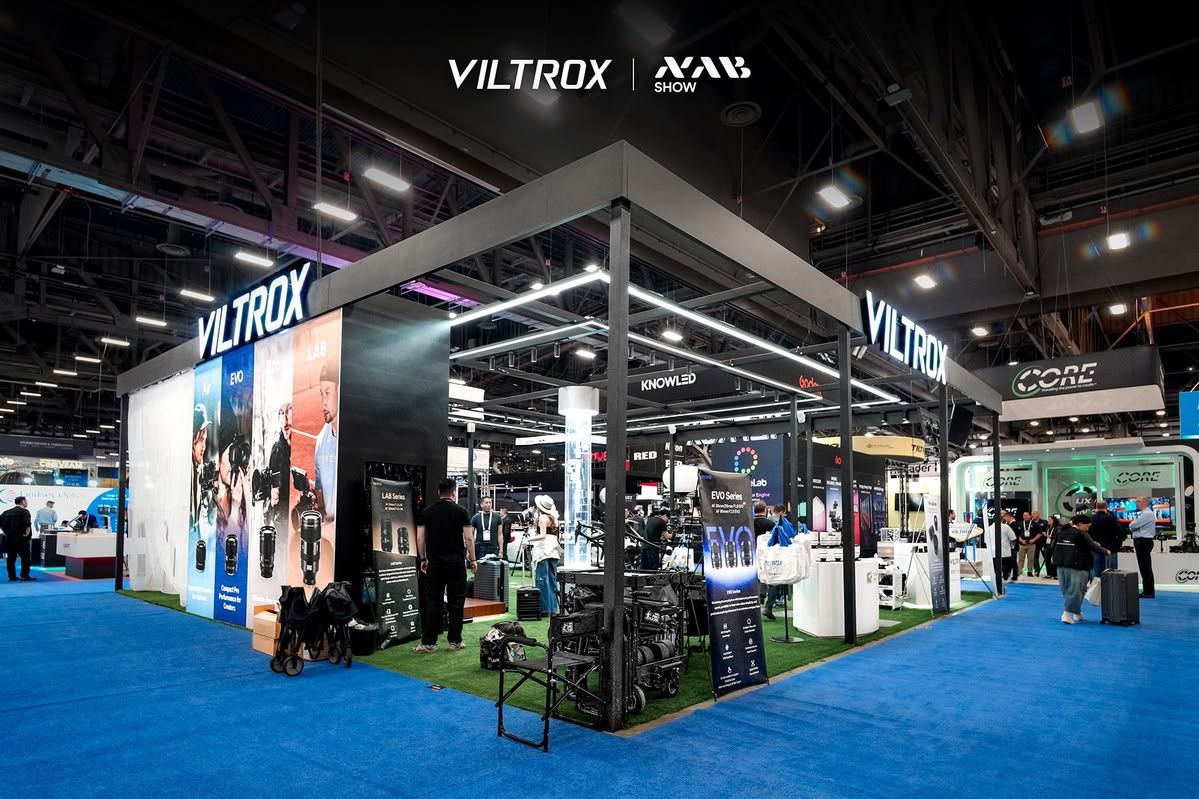
The NAB Show at the Las Vegas Convention Center remains the primary global stage where broadcast engineering, digital cinema, and modern creator workflows converge. In April 2026, the exhibition highlighted a major industry pivot: the migration of high-end broadcast features into compact creator ecosystems, driven by embedded neural processing, global shutter sensor adoption, and camera-to-cloud infrastructure.
Key Technology Shifts & Hardware Innovations
[Camera Sensor: Full-Sensor Readout / Global Shutter]
                           │
                           ▼
[Edge-AI Processing Unit: Real-Time Framing & Noise Isolation]
                           │
                           ▼
[Ultra-Low Latency Wireless / SMPTE ST 2110 IP Transport]
                           │
                           ▼
[Camera-to-Cloud (C2C): Proxy Ingest & Remote Post-Production]
- Global Shutter & Expanded Dynamic Range Sensors: Flagship and compact cinema bodies have standardized global shutter technology across lower price tiers. This eliminates rolling shutter distortion in high-speed sports and automotive production while preserving wide, 16+ stop dynamic range curves.
- On-Chip Neural Processing Units (NPUs): Modern cinema and mirrorless bodies now integrate hardware-level AI chips dedicated to real-time subject tracking, automated multi-subject composition, and zero-latency audio noise suppression directly within the camera housing.
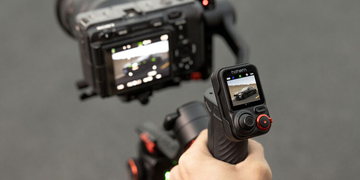
- Compact Anamorphic & Cinema Primes: Optical manufacturers showcased lightweight full-frame anamorphic glass engineered specifically for solo operators, gimbal balancing, and drone payloads without requiring secondary support rigs.
Production Workflows: Edge AI & Cloud Integration
| Feature / Architecture | Traditional Workflow | 2026 NAB Standard |
| Ingest & Proxy Upload | Physical media card dumping via high-speed card readers post-shoot. | Real-time Camera-to-Cloud (C2C) streaming lightweight 10-bit editing proxies directly to NLE timelines via Wi-Fi 7 or 5G mmWave. |
| Live Multi-Cam Switching | Bulky hardware production switchers and dedicated SDI routing matrices. | Software-defined IP switchers utilizing NDI 6 and SMPTE ST 2110, enabling remote switching via localized cloud servers. |
| Color Pipeline | Manual LUT application, monitor calibration, and standard Rec.709/Log profiles. | Standardized ACES 2.0 and automated scene-adaptive color management pipelines synchronized wirelessly across multi-camera rigs. |
Studio Infrastructure & Solo Creator Tech
- Zero-Latency Wireless Video Transmitters: Uncompressed 4K HDR wireless transmitters operating in expanded 6 GHz bands, offering sub-1ms transmission speeds for direct focus-pulling and director monitoring without line-of-sight dropouts.
- Intelligent Studio Audio: 32-bit float internal recording coupled with wireless dual-transmitters featuring on-board machine learning algorithms that isolate vocals and dynamically eliminate wind or acoustic room reflections at the capsule level.
- Modular Micro-LED & Adaptive Virtual Production: Virtual production volumes have scaled down into modular LED backdrops designed for compact broadcast spaces and independent creators, utilizing camera-tracked real-time rendering engines for cinematic parallax in small footprints.
Operational Impact on Digital Content Pipelines
The developments at NAB Show 2026 underscore the end of isolated production phases. By combining high-speed IP streaming, embedded edge-computing, and cloud-synchronized file systems, production teams can capture footage on location while remote post-production editors cut, grade, and mix live assets in real time. For both commercial production houses and independent creators, these unified toolchains drastically cut turnaround times while expanding cinematic capabilities.