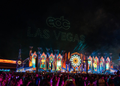







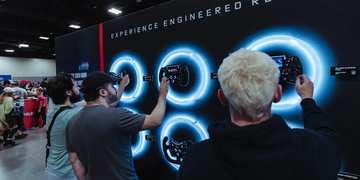




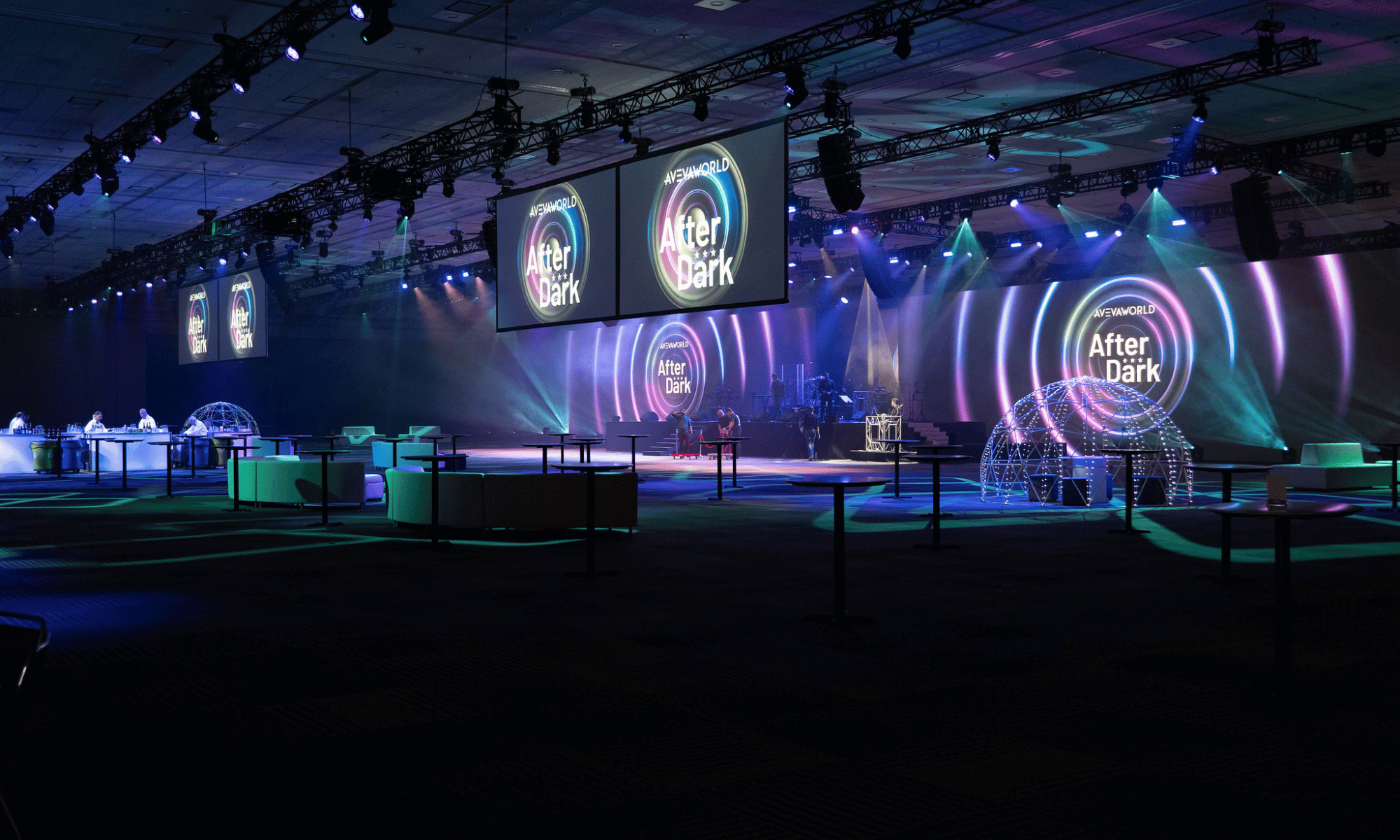
The live production industry is moving beyond standard flat LED backdrops and conventional truss grids. Driven by advances in high-load modular staging, real-time spatial computing, object-based immersive acoustics, and extreme-weather solid-state lighting, arena concerts and major festival stages now operate as unified, three-dimensional kinetic environments.
Spatial Visuals & Advanced Display Topologies
Stage visuals have shifted from passive background displays to multi-layered, interactive volumes that merge the physical performance space with digital depth.
[Performer / Prop Optical Tracking (6-DoF, sub-centimeter)]
                             │
                             ▼
[Real-Time Spatial Engine (Unreal Engine 5.x / TouchDesigner)]
                             │
                             ▼
[Ultra-Low Latency Video Processors / Disguise Media Servers]
                             │
                             ▼
[Transparent Mesh LED + High-Load Interactive LED Flooring]
- High-Transparency Mesh LED Panels: Lightweight, wind-permeable LED curtains with transparency ratings exceeding 60% allow lighting beams and atmospheric haze to pass directly through the screen. Layering transparent panels in front of and behind performers creates true volumetric depth and holographic visual effects without bulky projection setups.
- Heavy-Duty Dynamic LED Floors: Load-bearing interactive LED decking rated for axle loads exceeding 2,000 kg/m² allows heavy props, vehicles, and dynamic dance troupes to perform directly on digital surfaces. Integrated pressure sensors and optical tracking enable visuals to react to performer footsteps with sub-10ms response times.
- Real-Time Render Pipelines & Generative Content: Media servers powered by game engines render perspective-correct content dynamically matched to front-of-house viewing angles or live broadcast camera tracking (Kinetic Camera Calibration).
Object-Based Spatial Audio: Breaking the Stereo Array
Stadium and festival audio systems are transitioning from traditional Left-Right stereo line arrays to object-based immersive spatial audio systems (such as L-Acoustics L-ISA, d&b Soundscape, and Meyer Sound Spacemap Go).
| System Metric | Traditional Stereo Line Arrays | Object-Based Spatial Audio |
| Acoustic Sweet Spot | Limited to a narrow central corridor between speaker towers (approx. 20% of venue). | Expanded across up to 80% of the entire audience footprint via multi-point localized source arrays. |
| Panning & Localization | Amplitude-based panning; causes comb filtering and phase cancellation at off-axis seats. | Time-delay and phase-aligned object positioning matched directly to performer positions on stage. |
| Mix Clarity & Dynamic Range | Crowded frequency masking requiring aggressive channel EQ and compression. | Spatial separation allows individual instruments, vocals, and synth elements to breathe without acoustic clashing. |
Modular Stage Engineering & High-Capacity Kinetics
Modern tour routing demands lightning-fast load-ins and load-outs, driving massive innovation in modular structural engineering:
- Pre-Rigged Modular Truss & Cable Bridges: Touring trusses now feature integrated power, DMX/Art-Net, and SMPTE fiber cabling pre-wired into collapsible frames. This reduces stage rig turnaround times by up to 50% between tour dates.
- Variable-Speed Synchronized Hoists: SIL3-certified smart electric chain hoists and cable winches move multi-ton lighting pods, video chandeliers, and performer cages dynamically above the crowd at speeds up to 1.5 m/s, fully automated via timecode synchronization.
- Ground-Supported Quick-Deploy Roofing: Self-erecting outdoor festival roofing systems with wind-shedding engineering automatically monitor wind velocity and dynamic structural loads in real time, auto-lowering suspended arrays during severe weather alerts.
Solid-State, IP65-Rated All-Weather Automated Lighting
Environmental durability and power efficiency have reshaped festival lighting inventories:
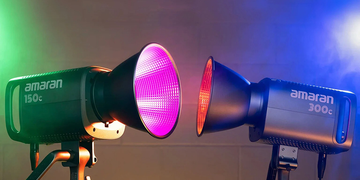
- True IP65/IP66 Moving Heads: High-output laser-engine profiles and multi-emitter LED moving heads now feature sealed optical chambers with IP65 weather ratings. Rental houses no longer require unsightly rain domes or inflatable covers, enabling reliable operation in heavy rain or sandstorms.
- Laser-Engine Beam/Wash Hybrids: Solid-state laser light engines deliver razor-sharp, parallel beam fixtures with near-zero beam divergence over hundreds of meters, cutting power draw by 40% compared to traditional high-wattage discharge lamps while providing richer, saturated color palettes.